The EU, US and China: Hybrid Multilateralism and the Limits of Prioritizing Values
Europe feels that it has a different relationship with China, a different history, and different


It is with great pleasure that I have invited my colleague Stewart Patrick back into
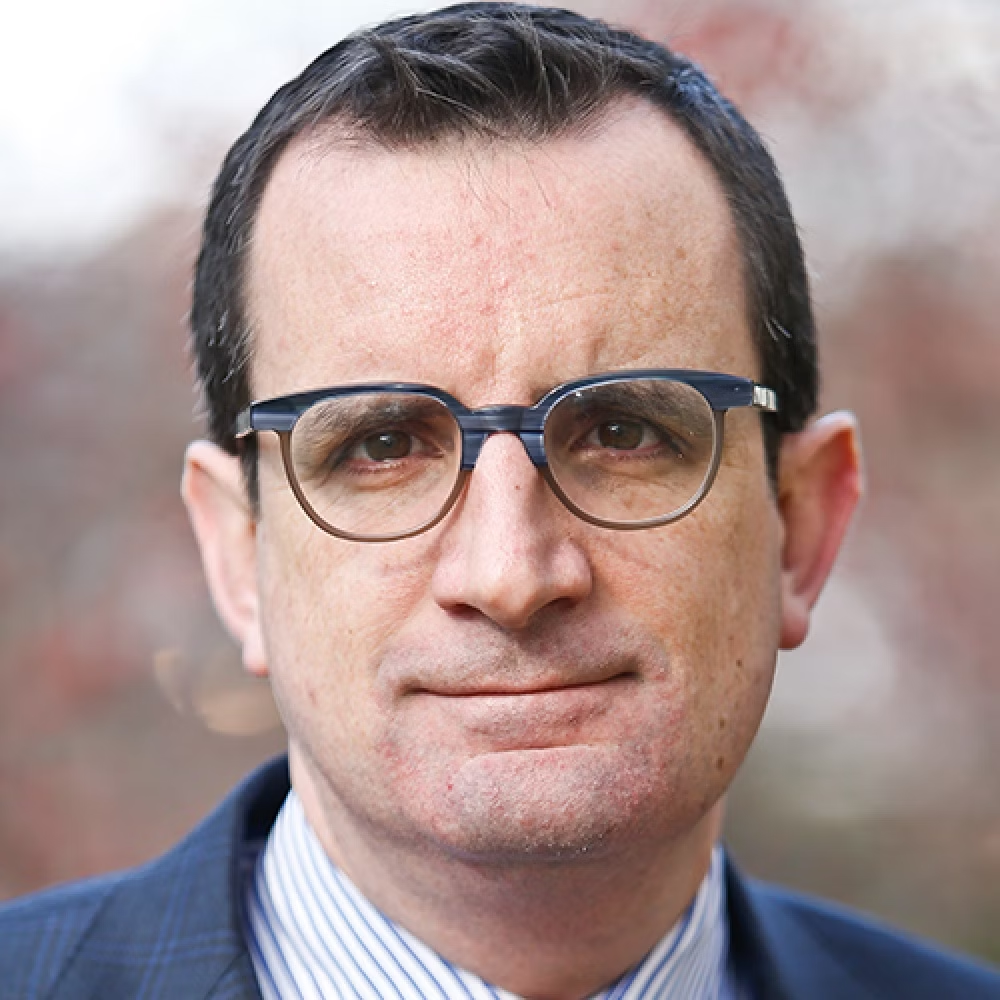
It is with great pleasure that I have invited my colleague Tom Wright back into

So, it was with great pleasure that I was able to arrange this podcast with
Click the button below to watch the full interview:
The Roundtable Participants On Friday, August 27th participants gathered for the recording of this Roundtable.
Alan Alexandroff: This video interview with Colin Bradford, a non-resident senior fellow at the Brookings

Abstract The international community risks falling substantially short in its efforts to achieve the Sustainable
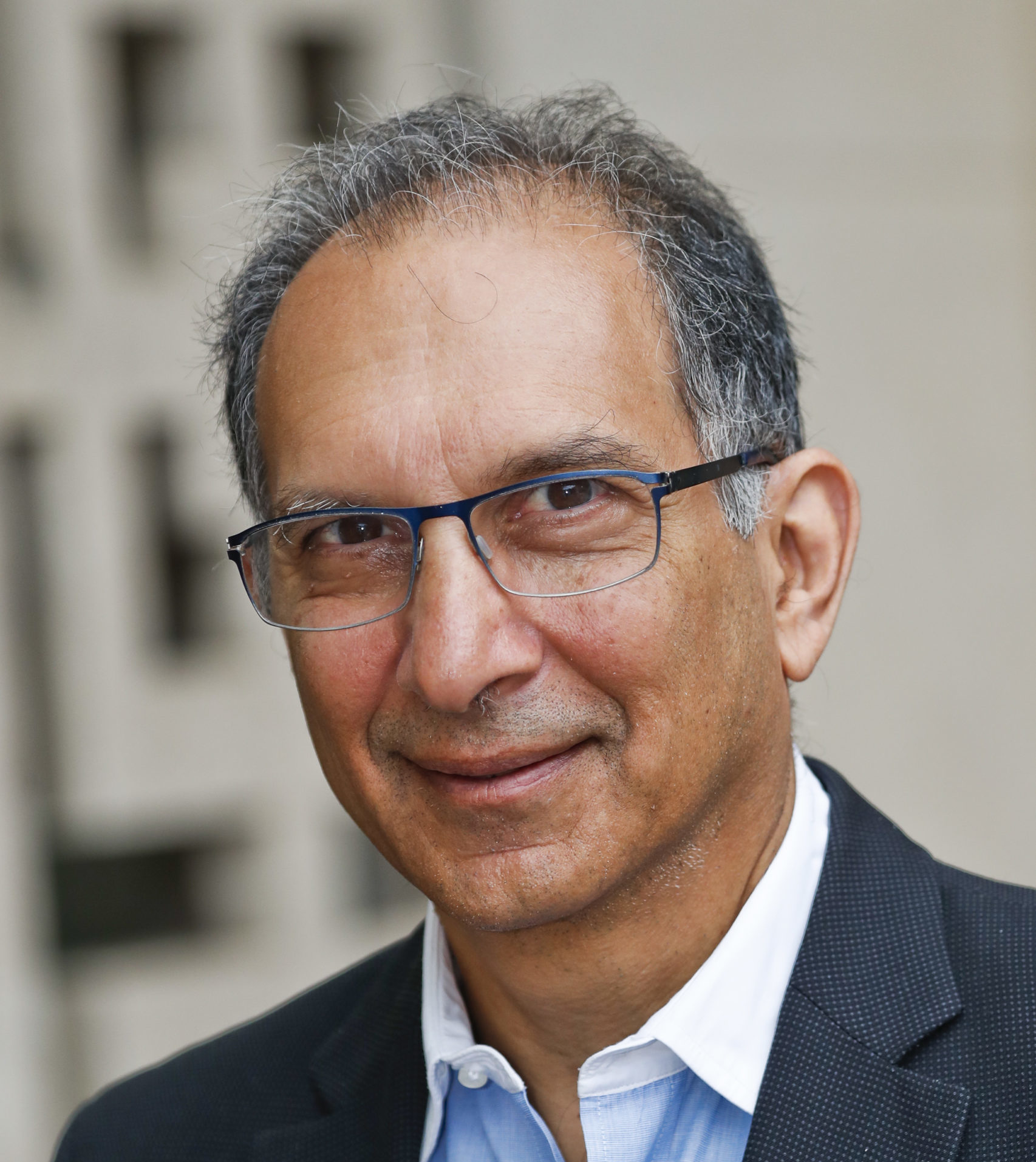
Homi Kharas is the first Interview for the Special Issue (SI) of the e-Journal Global

Colin Bradford was always passionate about making the world a better place, even if it

Jack Austin, a former senator and federal minister of the Liberal Party of Canada who

In the world of diplomacy, former U.S. assistant secretary of state, Susan Thornton believes young
Introduction Targeting ‘Global Governance’ Global governance is a framework of
The Asia-Pacific Economic Cooperation (APEC) is a regional economic forum. It was founded in 1989 to facilitate and enhance cooperation between states in the Asia-Pacific region. The forum focuses on trade and economic issues. Members engage with each other as economic entities. The goal of APEC is to promote free and open trade and investment towards sustainable economic growth and integration. This includes facilitating easier cross-border flows and transactions, fostering favourable domestic business climates, and harmonising regulations and standards across the region.

The Group of Seven (G7) is an informal intergovernmental pollical forum of industrialised countries that meets annually to discuss challenges related to global economic governance, international security, and energy policies. Other states and international organisations are frequently invited as guests to participate in G7 meetings and the Leaders’ Summit.
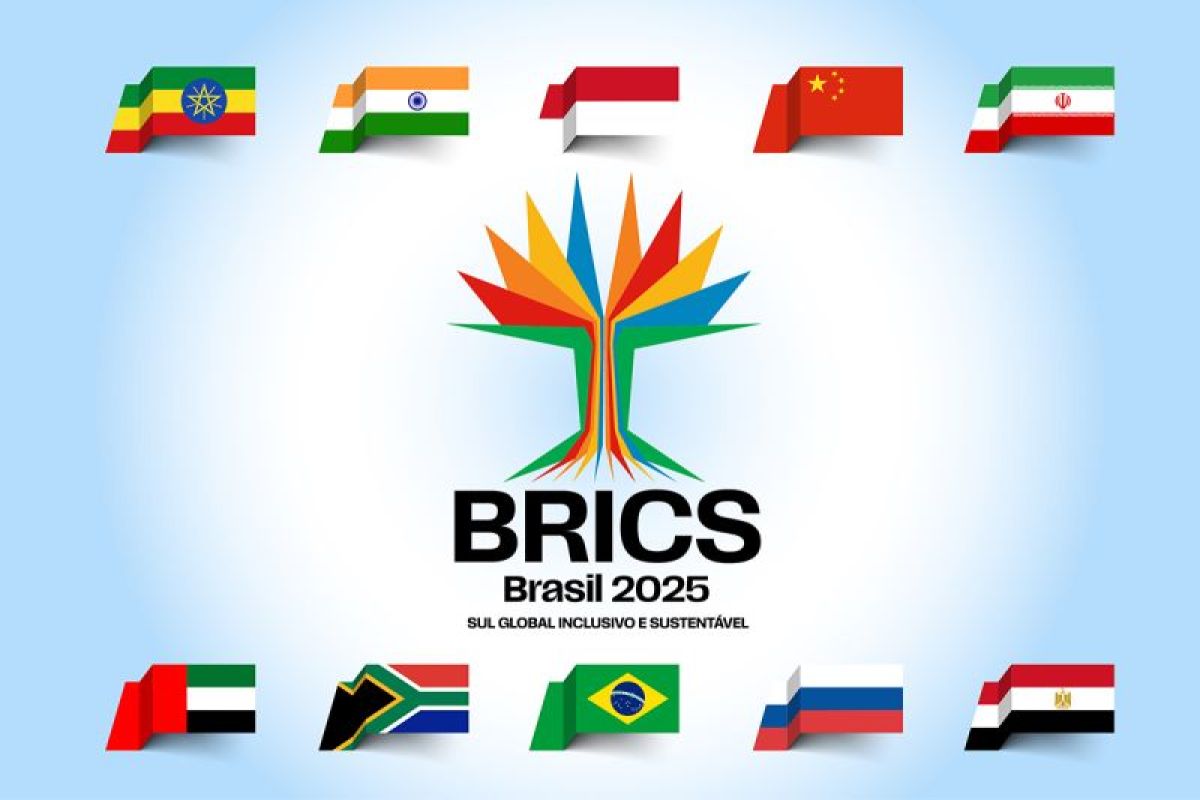
BRICS provides an Informal where member states can collectively act and in many instances, as the members perceive it, challenge the Western dominated global order. These countries together account for about 40 percent of the world’s population and a quarter of the global economy. The members focus on topics relating to economic cooperation, improved multilateral trade and development and they operate under consensus.
Click here for the latest updates on the United Nations.
The G20 is a prominent, if not the most prominent, informal leaders-led global summit. It consists of member states that represent 85 percent of the global GDP, over 75 percent of global trade, and about two-thirds of the global population.