
Getty Images for Unsplash+
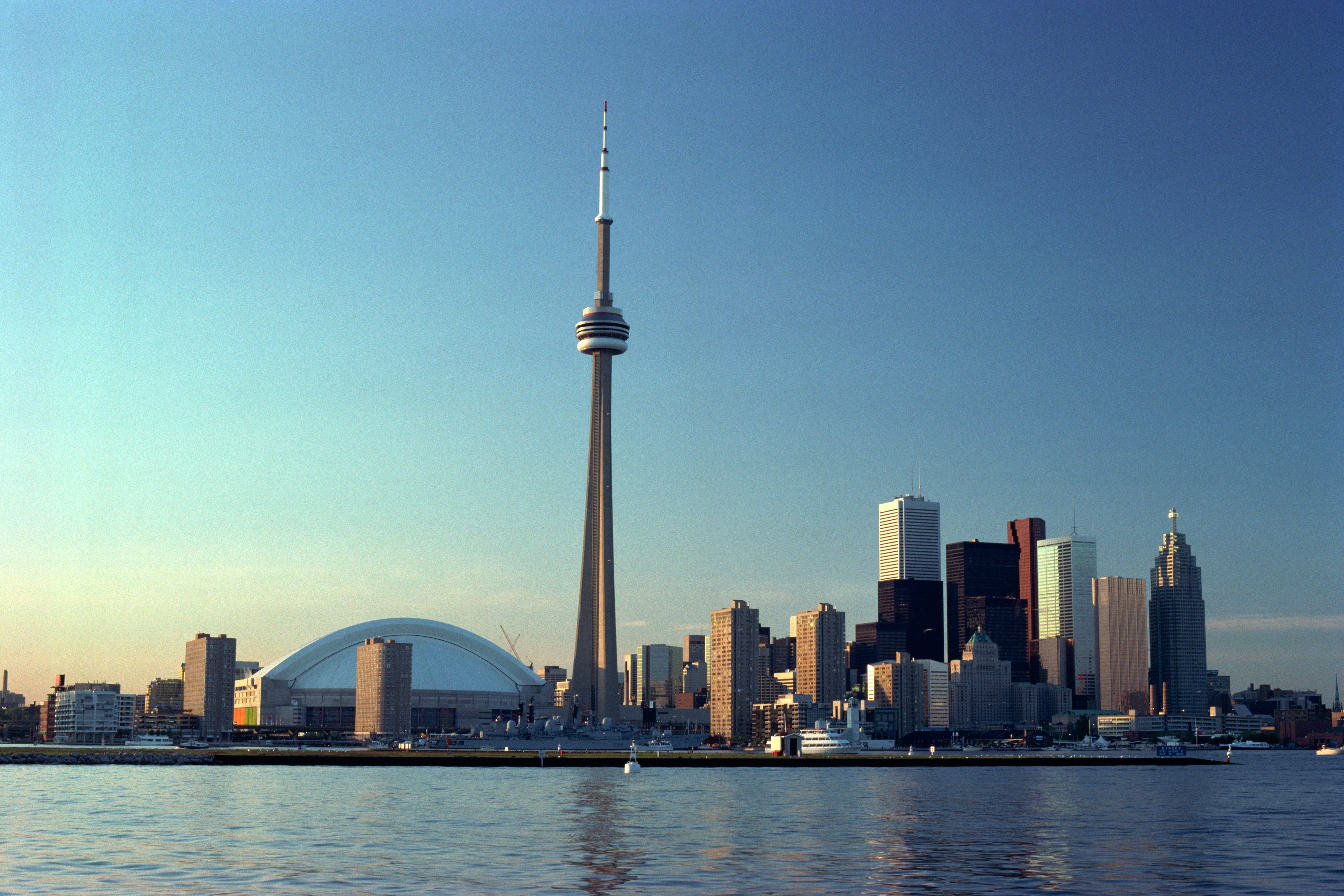
You think it’s not real. Just a bad dream! But you’d be wrong – it is all too real! However, just so we are clear, for most it remains Lake Ontario. And, believe it or not, this encounter is part of a presumed ‘trade war’, yes trade war between the two countries. Yup: Unbelievable! As presented in the NYTimes, by Erica Green:
“President Trump signed an executive order on Thursday to change the name of Lake Ontario to Lake America, carrying out his threat to rename the easternmost Great Lake as part of an escalating trade war with Canada.”
“During remarks in the Oval Office, Mr. Trump said that the order, which directs the Interior Department to update the government’s geographic name information systems to reflect the name change, was effective immediately.”
“Like Mr. Trump’s order to rename the Gulf of Mexico to the Gulf of America, Thursday’s order most likely requires
only federal entities to recognize the change, but it does not have to be
recognized by other countries. Mr. Trump told reporters that the administration
had “filed all the necessary papers, documents” and “notified all of the
various people that we have to notify” to make the change.”““So we’ve done everything that you have to do,” he said, “and this is official, effective immediately.””
Also, it would appear for the moment that actual trade continues unabated, notwithstanding the tariffs and counter tariffs. As described in a recent National Bank Report in the Globe and Mail in a piece titled: “Canada withstands tariff upheaval, says National Bank CEO”:
“National Bank of Canada NA-T -4.20% decrease chief executive officer Laurent Ferreira says tariff uncertainty between Canada and the United States will affect businesses and consumers, but the bank’s home market has withstood them continuing trade turmoil over the past year.”
And Alan Beattie in the FT describes some of the reasons why this is:
“Familiar problems beset Trump’s tariff campaign. Canada is principally a supplier of energy and intermediate goods like lumber, aluminium, car parts and potash for fertilisers to the US. Blocking them principally hurts US industries.”
“The other lesson Trump has failed to absorb is that tariff wars don’t actually do much damage, except to the US’s credibility. The research service Global Trade Alert estimates that the steep tariffs Trump is imposing now, unless they escalate to the destruction of the US-Mexico-Canada (USMCA) trade deal, raise Canada’s average US tariff by just 1.9 percentage points to 6.3 per cent.”
“The consultancy Oxford Economics estimates that even including Canada’s dollar-for-dollar retaliation — Ottawa announced reciprocal tariffs on $20bn of imports on Tuesday — the tariffs will reduce Canada’s annual GDP growth over the next year by only 0.3 percentage points and permanently reduce its level by 0.2 per cent. (By comparison, Brexit has recently been estimated to have permanently reduced UK GDP by 6-8 per cent: that’s what a proper trade shock looks like.)”
“Ultimately, even for an open exporting economy like Canada, modern advanced countries are dominated by their domestic service sectors, not goods exports. The Canadian economy is hurt much more by services and product barriers between its provinces than anything Trump has done.”
The real danger is, of course, as pointed out in the Beattie piece that Trump announces the demise of USMCA. That would be destructive.
Now a quick look at a troubling, yet unclear visit, by the director of the CIA, James Radcliffe to Moscow. The trip there was all of eight hours, without a meeting with Putin, before he turned around and headed home. And, oh yes, he also visited Latvia briefly on his way to Moscow. My good colleague, Thomas Wright reviewed this puzzling visit in his most recent piece in The Atlantic”:
“The purpose of Ratcliffe’s visit remains unknown. In an interview with Glenn Beck this morning, President Trump described it as “sort
of semi-routine,” but such trips are rare.”“A likelier explanation for this latest trip is that Russia is getting more dangerous and the Trump administration wanted to warn it against escalating.”
“Despite making little progress, Russia has continued to take heavy losses. In May, the Russian death toll reached nearly half a million, according to Anne Keast-Butler, the head of GCHQ, the U.K. intelligence agency.”
“Russia’s weakness could be making Putin more reckless. The Wall Street Journal reported a few weeks ago that the U.S. intelligence community is concerned that Russia could carry out a limited attack on a NATO state, possibly even launching a small land incursion. Such an assault might thwart Russia’s own interests, prompting Europe to accelerate its military buildup and target Moscow’s sovereign assets. But Putin may see attacking a NATO country as an unprecedented opportunity to break the alliance, by manufacturing a crisis in which the United States fails to act.”
“On his way to Moscow, Ratcliffe stopped in Latvia. Today, the Latvian prime minister called the trip am “very good signal,” which seemed to imply that Ratcliffe had been there seeking to bolster European security.”
Obviously, at least some alarms are ringing rather loudly in Washington. Let’s hope those following these events are not overthinking the situation. But maybe not. We will keep watching this matter closely.