
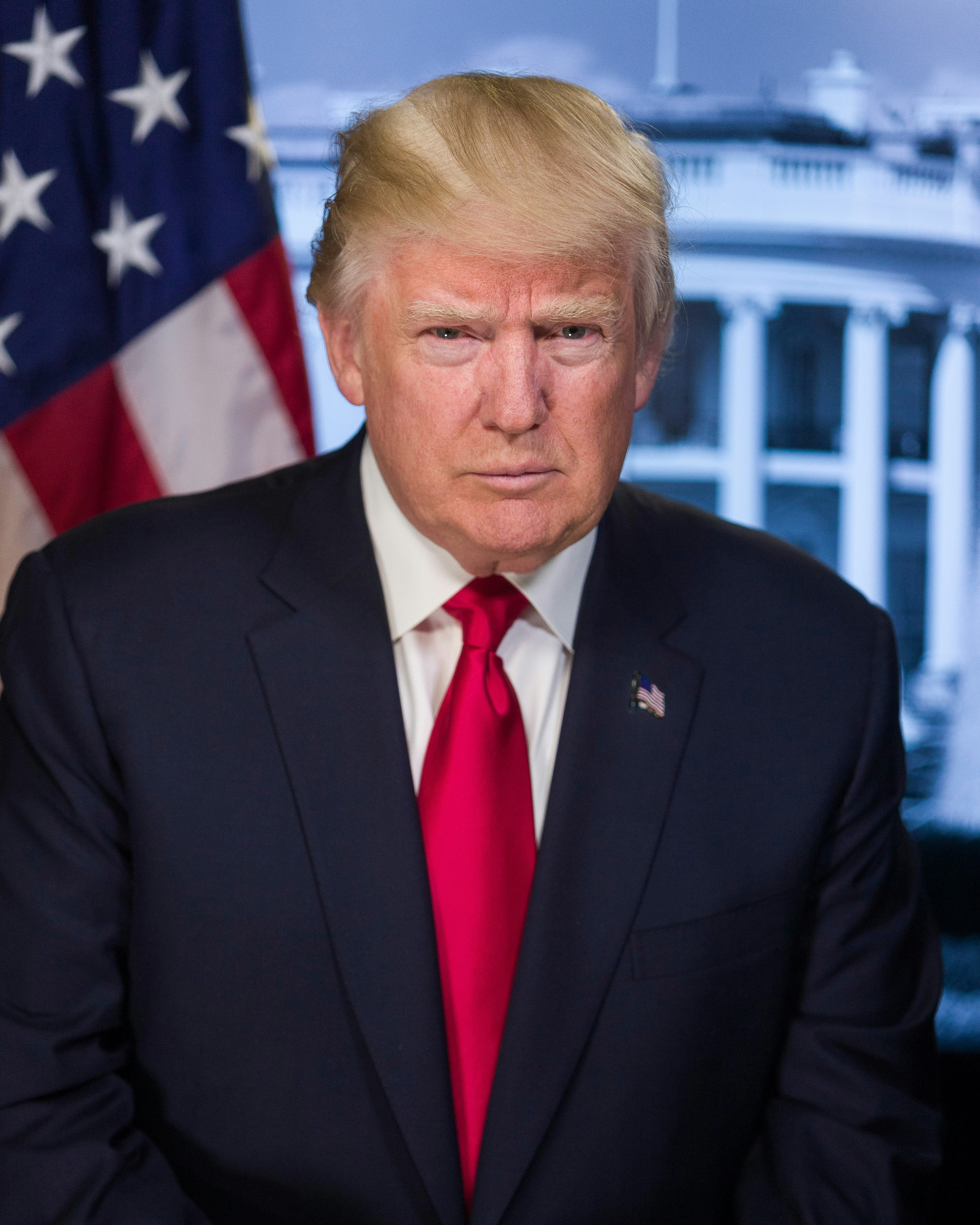
Photo by Library of Congress on Unsplash
With a holiday break upon many of us, the Post this week will be just a bit shorter. But I couldn’t restrain myself from some comment on Trump’s Wednesday Presidential address on Iran. That 19-minute speech was quite dismaying, ‘childish, in fact. I must say I would never have imagined an American President delivering such an incoherent speech, especially since the principal topic was an active conflict that the United States’ military was engaged in.
Let’s start with Frank Bruni and Bret Stephens at the NYTimes, both either opinion writer or columnist there. Their views are harsh but interesting, especially as Stephens supports US action to undermine the Iranian threat. As Bret describes the address:
“As our readers know, I support the war and think it’s been far more successful — and necessary — than critics acknowledge. But, boy, that was a childish speech. Undisciplined, unstructured, uninformative, unimpressive, uninspiring, unpresidential. I learned nothing from it that I hadn’t known before it started, except that Trump somehow thinks that the Strait of Hormuz will be reopened by something akin to magic. It was also a signal to what remains of the Iranian regime that they just need to hold on for another two or three weeks and it will be over. A reminder that, even if this is the right war, we’ve got the wrong president.”
It is followed by Frank Bruni:
“I believe that more and more Americans are coming to that conclusion. I mean, they don’t have to be paying close attention to notice Trump’s glaring contradictions. He touts this military endeavor as Operation Epic Fury and yet, per his remarks on Wednesday night, it’s a “little journey to Iran”? That makes it sound like something from a children’s book, in which the hero rides a unicorn into a kaleidoscopic Persian sunset. It’s more like the sundowning of a commander in chief.”
“Bret, let’s turn to Trump’s speech — and, boy, am I using that term generously — about the Iran war. He sought to reassure a skeptical and stressed-out nation that everything was going sensationally, phantasmagorically well. I was not reassured one iota. He sounded like he was winded. He stumbled through words and repeated himself. It was like listening to the final bits of air seep out of a flaccid tire. And his claims of a perfect economy, a perfect country — a perfect president! — made his State of the Union address seem almost modest. What in God’s name was that, Bret?”
Now let’s add in Michelle Goldberg who is also an Opinion contributor at the Times. Again she focused on Trump’s dismaying approach. As she described the address:
“First, he showed us that he has no plan to get out of the mess he created. One way to judge how the war is going is to look at which side is trying to wrap it up.”
“Perhaps hoping to get Iran to the table, Trump on Wednesday repeated ultimatums he’s already made. “Over the next two to three weeks, we’re going to bring them back to the Stone Ages, where they belong,” he said. Absent a deal, he threatened to destroy Iran’s electric plants and, perhaps, its oil, which would be illegal under international law, not that the president cares.”
“Trump does seem to want to end it, but he doesn’t know how. We still don’t know whether he’ll send soldiers into Iran to try to score a decisive blow, whether he’ll declare victory and leave or if he’ll finally finagle some type of deal. All we know is that he has managed to give Iran the upper hand in this conflict while tanking the global economy and shredding America’s most important alliances.”
And finally we round it out with Tom Friedman who struggles to suggest a pathway out of this Trump created mess where the President, himself, in fact seemingly is unable at the moment to achieve a conclusion to this conflict . Tom’s proposal was described actually before Trump’s evening address. As he wrote, again in the NYTimes, in a column entitled: “Trump Has a Way Out of the War”, Tom writes this:
“If it wasn’t clear before, it is undeniable now. President Trump and Prime Minister Benjamin Netanyahu of Israel started a war with Iran assuming that they would trigger quick and easy regime change. They vastly underestimated the staying power of Iran’s surviving leadership and its military capacity not only to inflict damage on Israel and America’s Arab allies but also to close off the most important oil and gas shipping lane in the world. …”
“In short, we are watching what happens when you put into the Oval Office an impulsive, unstable man who ran for president largely to get revenge on his political foes. Then he surrounded himself with a cabinet chosen for its handsome looks and its willingness to put loyalty to Trump over loyalty to the Constitution. Add to that Republican majorities in the House and Senate willing to write him blank checks, and it all eventually leads to sloppy, undisciplined decision-making, including starting a huge war in the Middle East with no plan for the morning after.”
Tom then describes a negotiating approach that he believes might lead to a resolution – at least for now:
““We have to realize that what the Iranian regime wants most is to stay in power, and what the United States and Israel want most is for Iran not to have a bomb,” said John Arquilla, a former professor of defense analysis at the Naval Postgraduate School and the author of the forthcoming book “The Troubled American Way of War.” “Both sides can get what they want most if they are ready to give up what they want second most.””
“For America and Israel, second prize after eliminating Iran’s highly enriched uranium would be regime change. That doesn’t appear to be in the offing anymore, and Trump has already begun laying the groundwork for abandoning that objective.”
“The rump Iranian regime may well be ready to consider giving up its uranium in return for its survival. …”
“It’s why we need to keep this as simple as possible. America should extend assurances that we will end the war, leave the regime in place, stop destroying Iran’s infrastructure and even offer some relief from oil sanctions, if Iran turns over all its near weapons-grade fissile material and halts all hostilities from its side. Everything else gets postponed for another day. (Meanwhile a much-weakened Iranian regime would have to be more responsive to its people.)”
So the notion is that each will succeed in obtaining their number one objective only by giving way on their next-in-line demand(s).
As Tom concludes:
“Trump will be a very lucky man if the surviving leaders of the Iranian regime say yes. It’s a measure of Trump’s incompetence that they now hold his fate in their hands.”
Is the outcome just described possible? Yes, but given this erratic President and the energized and very angry remaining Iranian leadership, I am not yet counting any ‘chickens’.