Image Credit: Photo by Hermes Rivera on Unsplash
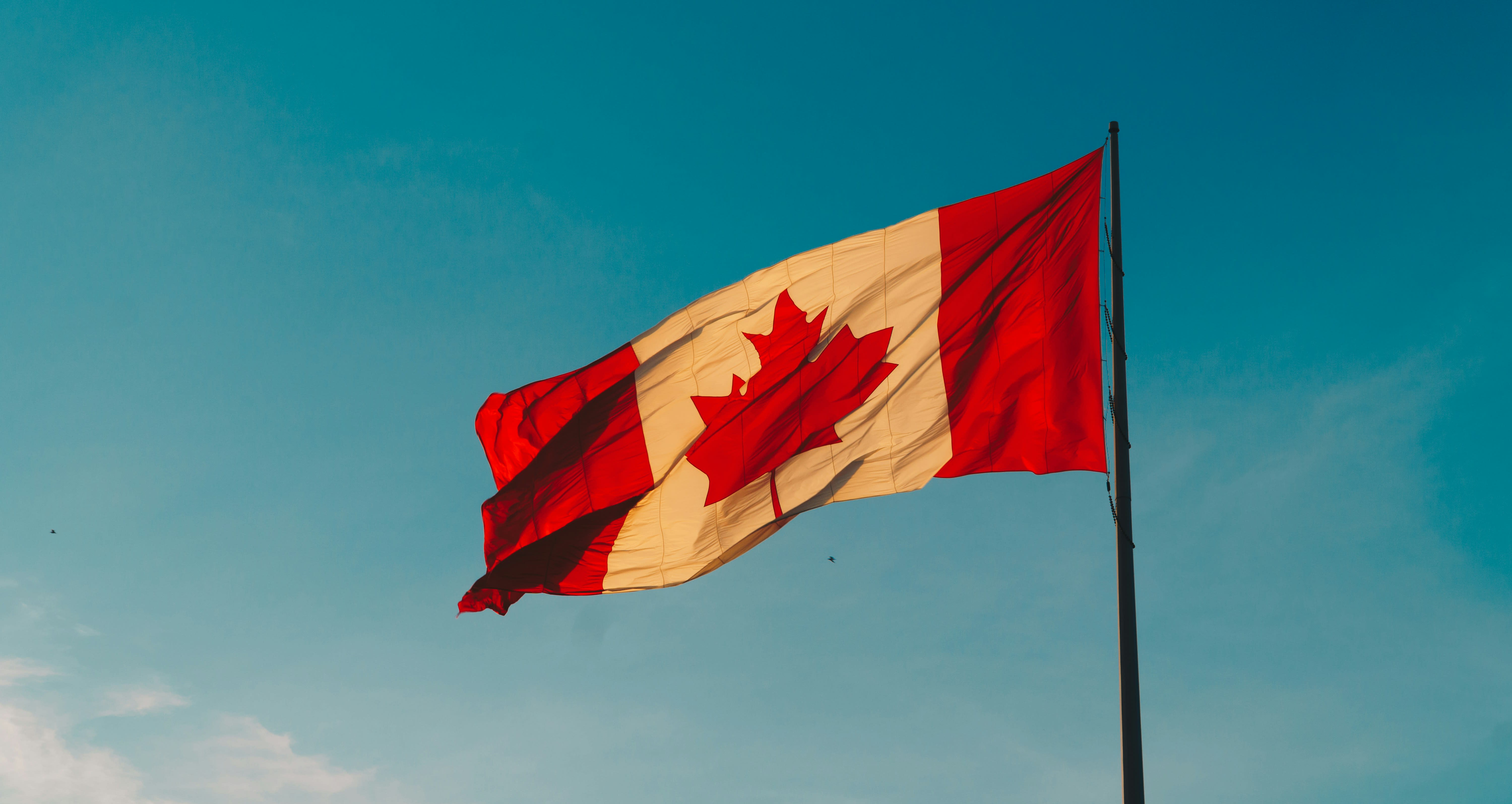
Well this week initially designed to examine the Middle Power (MP) ‘variable geometry’ approach described by Canada’s Mark Carney and seemingly being implemented by the Prime Minister as he heads off to the Indo-Pacific. But one cannot be commenting on global order relations and not examine the newest actions of President TRump – this the attack along with Israel on Iran. I’d feel more sanguine about this very serious action if I had any idea, or how likely it is that Trump’s/Netenyahu’s bombing campaign is likely to dislodge the current Islamic regime in Tehran. But I don’t and worse I suspect neither does Trump. As Nick Kristof in the NYTimes in a piece titled, “The Folly of Attacking Iran” wrote:
“We Americans have begun another Middle Eastern war based on dubious intelligence claims, and as in 2003 I fear we haven’t thought through the substantial risks and uncertain gains.”
“President Trump says that the aim of this “massive and ongoing” war is no less than regime change: He has vowed to devastate Iran’s military force, destroy its nuclear program (again) and topple the leadership. Lofty goals. But fundamental questions remain: How likely is it that he can achieve all of this, and at what cost and risk?”
There is much more to come with this Trump war of choice. And have no doubt we will be coming back to all this ‘Middle East mess’. But for now let me scurry back to get a take on the vivid, potentially new approach that ‘variable geometry’ offers and focus on Prime Minister (PM) Carney – the author in fact of the approach. Carney seems to not only express the MP approach but seems to have taken the lead in developing the policy. Just recently he visited China. His immediate Indo-Pacific travels – to India, Japan and Australia – come after a significant meeting with Xi Jinping in China. As pointed out by Matina Stevis-Gridneff and Ian Austen who report on Canada for the NYTimes:
“The nine-day trip comes after Mr. Carney’s January visit to China, where he struck a limited but important agreement on tariffs, and his middle powers speech in Davos, Switzerland, which was widely praised as a landmark moment in recognizing the impact Mr. Trump’s second term is having on the global order.”
And now the PM is in the Indo-Pacific with the first stop India:
“Mr. Carney has traveled relentlessly — more than most Western leaders, a New York Times review shows — to secure investments and build relationships with countries in Europe and in Asia.”
As pointed out by Alex Ballingall, the deputy chief of The Toronto Star’s Ottawa Bureau:
“Carney’s vision of a “pragmatic” foreign policy landed him in this country’s [India] financial epicentre on Friday, where he is set to court closer trade and deeper relations with a government Ottawa has accused of links to murder and other violent crimes on Canadian soil.”
“Carney was slated for a weekend of private business meetings in Mumbai, largely out of view of the travelling media, including on Friday with the head of Tata, a large Indian investment firm.”
“Carney will then travel to New Delhi to meet the country’s Hindu nationalist prime minister, Narendra Modi.”
“It’s a trip that was difficult to imagine barely more than a year ago, in October 2024, when the RCMP accused India of links to homicides, threats and organized crime activity in Canada. But what propelled the countries to this moment is the emergence of a shared interest to work together amidst the trade turmoil of U.S. President Donald Trump’s tariff agenda, and a mutual desire for a stable and fair world order, according to foreign policy experts and officials from both governments.”
Ballingall goes on to argue:
“Those tensions make this trip to India a real-time example of Carney’s “variable geometry” effort, the idea he outlined in his now-famous Davos speech in January, to co-operate with other countries in areas of shared interest, even if those countries have substantial disagreements on other issues, said Vina Nadjibulla, vice-president of research and strategy at the Asia Pacific Foundation of Canada.”
““This entire trip,” she said, “is an opportunity for Carney to implement, or test, his middle power diplomacy strategy.””
What exactly this MP variable geometry is, or how it will roll out, and indeed more critically whether it will prove to be successful under Carney’s and various other MP hands is all still quite unclear. The debate, however, is well under way. Here at the ‘Changing World Dialogue’, CWD, we held a valuable session on MP action. Earlier in the week we gathered via Zoom for a session titled: “Shifts in China – US Dynamics: Implications for Canada and the United Kingdom ”. It was an extremely valuable session.
Now Chatham House Rules apply to this and all our sessions but there seemed to be general agreement that an uneasy stability in the US-China relationship seems to have been established with both leaderships recognizing the potential for mutual economic damage. Further, the two leaders potentially will meet up to four times in the coming diplomatic year. Whether these meetings bode well for the two leaders we will see. An additional view expressed was that the global order was being reshaped into a multipolar world but without a strong multilateral system. What that will bring is still unclear though a view expressed was that the uneasy great power relationship would permit various western MPs to build back relations with China. Moreover various MPs, including Canada were attempting to reconcile their national interests and possibly their values and shape a foreign policy of “variable geometry” particularly at the moment with trade. An example that was described was a possible Canadian effort to extend the CPTPP (The Comprehensive and Progressive Agreement for Trans-Pacific Partnership) made up of Canada and 10 other Indo-Pacific countries and the EU.
As Carney suggested last month and in turn reported in the Toronto Star:
“The speech laid out Carney’s overarching intention to strike alliances with like-minded countries, saying nations should resist the “impulse to go along to get along. To accommodate. To avoid trouble. To hope that compliance will buy safety. It won’t.”” …
“Carney said there is an alternative or “third path” for middle powers, detailing the various trading blocs and security coalitions Canada has joined and will continue to pursue, saying the rise of hard power shouldn’t “blind us to the fact that the power of legitimacy, integrity, and rules will remain strong, if we choose to wield them together.””
Now for the ‘proof of the pudding’: can Canada and other MPs come together and build these coalitions to improve economic growth and to enhance their national security?
As identified by Barbara Weisel at CEIP in an article titled, “How Middle Powers Are Responding to Trump’s Tariff Shifts”, CEIP. February 24, 2026:
“Some reports say the CPTPP countries and the EU are considering strengthening their supply chains through an agreement on rules of origin—detailed rules that determine the “economic nationality” of a product and whether it qualifies for duty-free treatment or other benefits. These rules can be designed to promote trade among members of an agreement.”
This and other steps are not easy and we shall see whether MPs can in fact craft these coalitions with growing benefits to all.